
| Steel Grade | SS75 | SS95 | SS105 | SS110 | SS120 | SS125 | S135MS | |
| Pipe Body | Yield Strength | 75 ~ 95 ksi | 95 ~ 110 ksi | 105 ~ 120 ksi | 110 ~ 125 ksi | 120 ~ 135 ksi | 125 ~ 140 ksi | 135 ~ 150 ksi |
| 517 ~ 655 MPa | 655 ~ 758 MPa | 724 ~ 827 MPa | 758 ~ 862 MPa | 827 ~ 931 MPa | 862 ~ 965 MPa | 931 ~ 1034 MPa | ||
| Tensile Strength | 95 ~ 115 ksi | 105 ~ 130 ksi | 115 ~ 140 ksi | 120 ~ 145 ksi | ≥ 130 ksi | ≥ 135 ksi | ≥ 145 ksi | |
| 655 ~ 793 MPa | 724 ~ 896 MPa | 793 ~ 965 MPa | 827 ~ 1000 MPa | ≥ 896 MPa | ≥ 931 MPa | ≥ 965 MPa | ||
| Charpy V-notch longitudinal impact toughness, 3/4" size, 21°C | ≥ 75 ft-lbf | ≥ 75 ft-lbf | ≥ 75 ft-lbf | ≥ 75 ft-lbf | ≥ 75 ft-lbf | ≥ 75 ft-lbf | ≥ 59 ft-lbf | |
| ≥ 101.6 J | ≥ 101.6 J | ≥ 101.6 J | ≥ 101.6 J | ≥ 101.6 J | ≥ 101.6 J | ≥ 80 J | ||
| Hardness | ≤ 24 HRC | 18 ~ 27 HRC | 21 ~ 29 HRC | 24 ~ 32 HRC | ≤ 34 HRC | ≤ 34 HRC | ≤ 35 HRC | |
| SSC Test (NACE TM0177) | Method A, Solution A, 85% SMYS, 720h | Method D, Solution D, 85% SMYS, 720h | ||||||
| Tool Joint | Yield Strength | 110 ~ 125 ksi | 120 ~ 135 ksi | |||||
| 758 ~ 862 MPa | 827 ~ 931 MPa | |||||||
| Tensile Strength | 125 ~ 145 ksi | ≥ 130 ksi | ||||||
| 862 ~ 1000 MPa | ≥ 896 MPa | |||||||
| Charpy V-notch longitudinal impact toughness, full size, 21°C | ≥ 75 ft-lbf | ≥ 75 ft-lbf | ||||||
| ≥ 101.6 J | ≥ 101.6 J | |||||||
| Hardness | ≤ 32 HRC | ≤ 34 HRC | ||||||
| SSC Test (NACE TM0177) | Method A, Solution A, 65% SMYS, 720h | Method D, Solution D, 65% SMYS, 720h | ||||||
Notes: SS75, SS95, SS105, SS110: Sour service drill pipe developed according to API 5DP. It meets NACE TM0177 Method A solution A requirements and is generally used in severe sour H₂S environments. SS120, SS125: Sour service drill pipe developed according to market demand. It meets NACE TM0177 Method D solution D requirements and can be used in wells with moderate and severe sour H₂S corrosive environments, with higher yield strength applicable to deeper wells. S135MS: Independently developed sour service drill pipe according to market demand. It meets NACE TM0177 Method D solution D requirements, can be used in wells with severe sour H₂S corrosive environments, and has higher yield strength applicable to deeper wells. | ||||||||
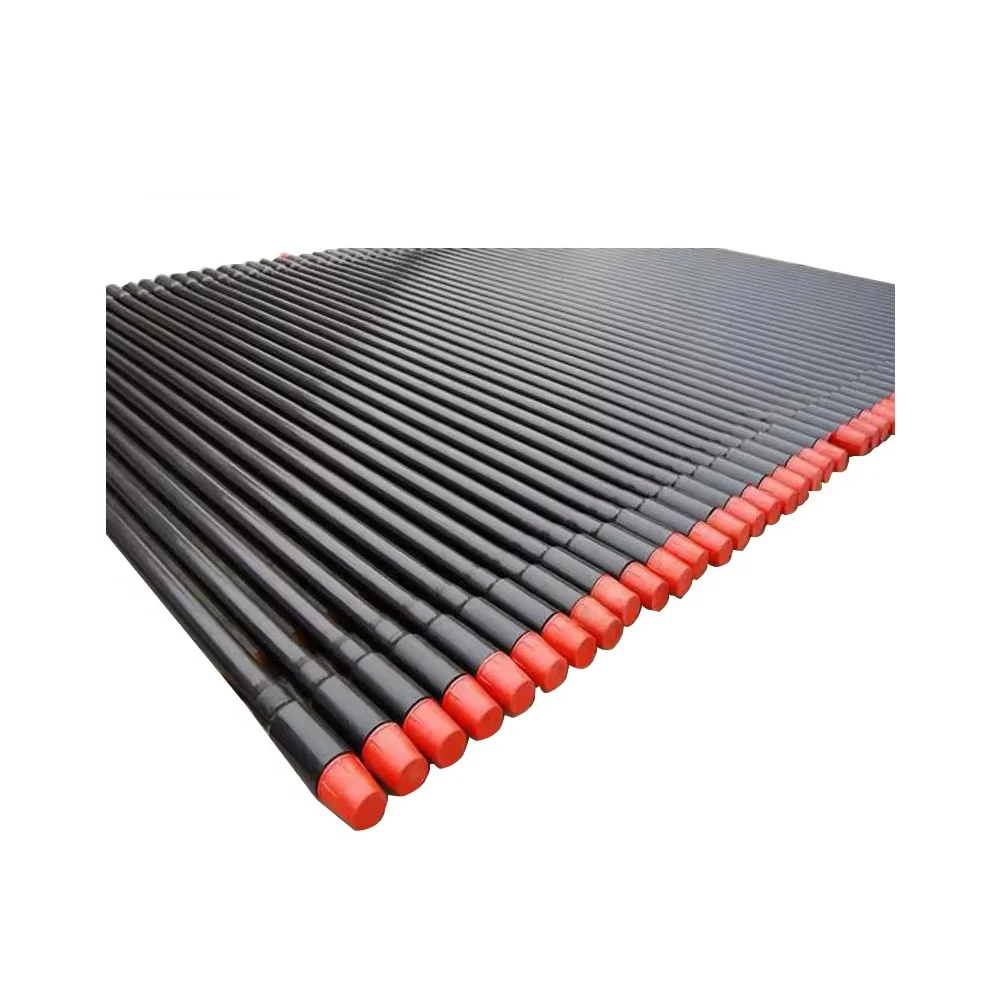
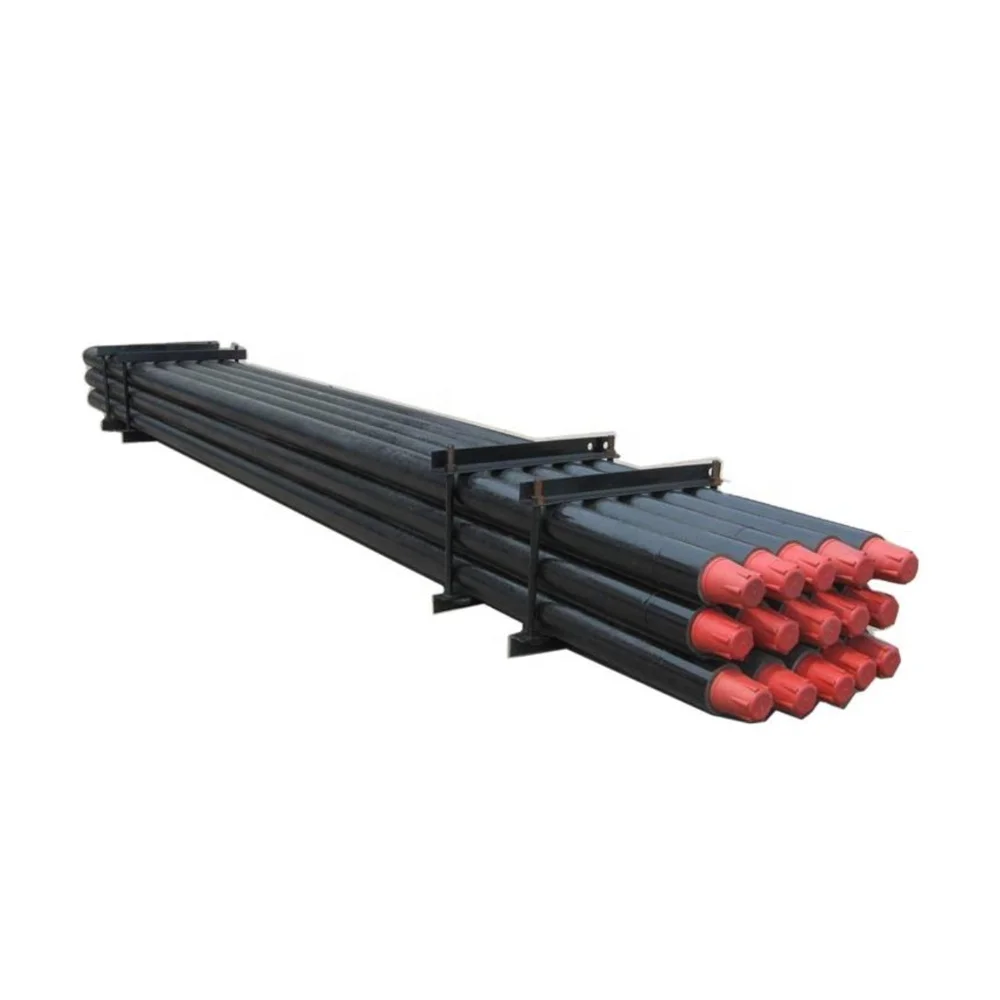
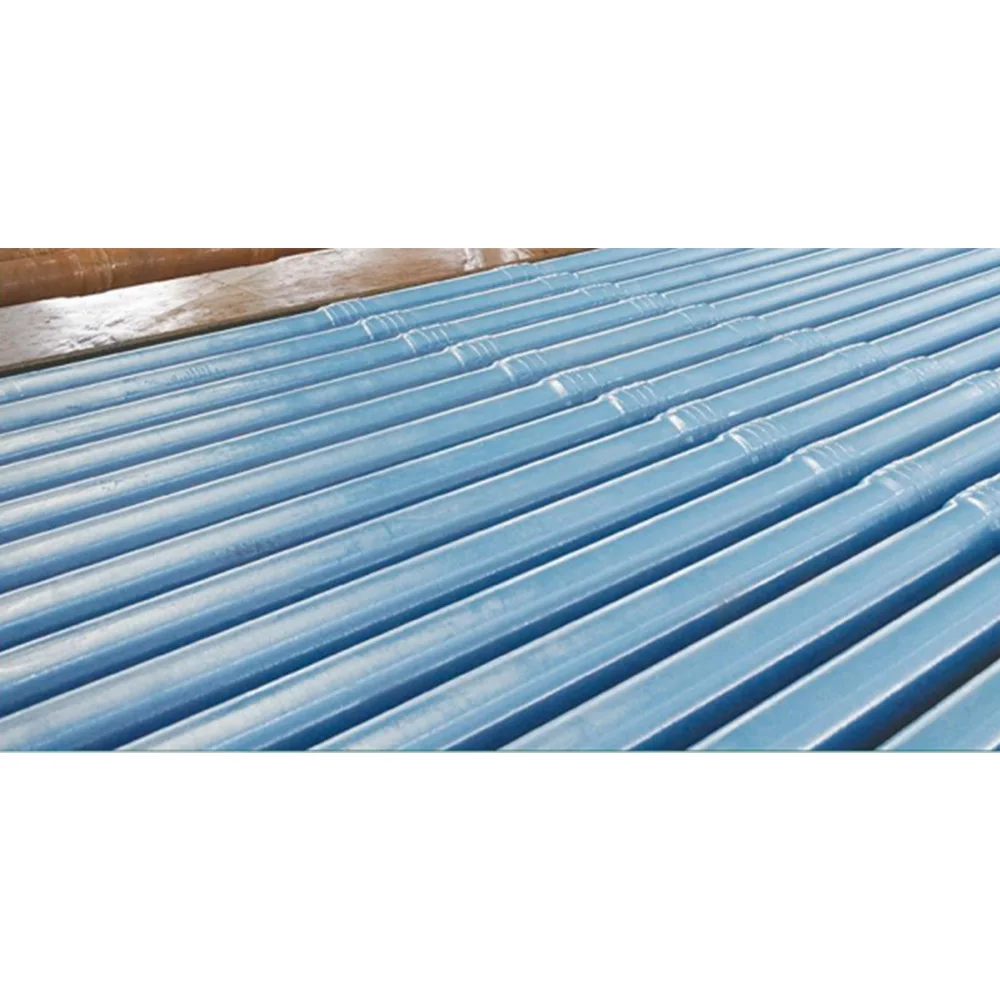
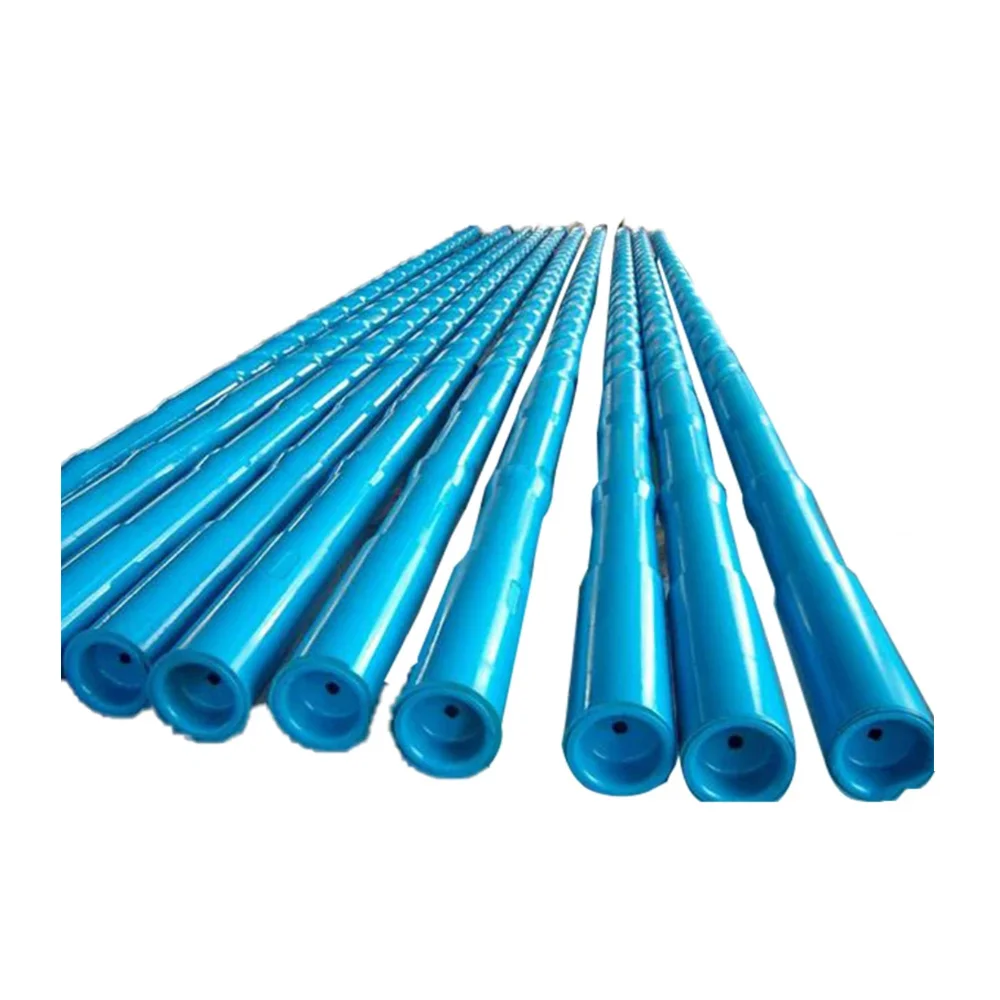
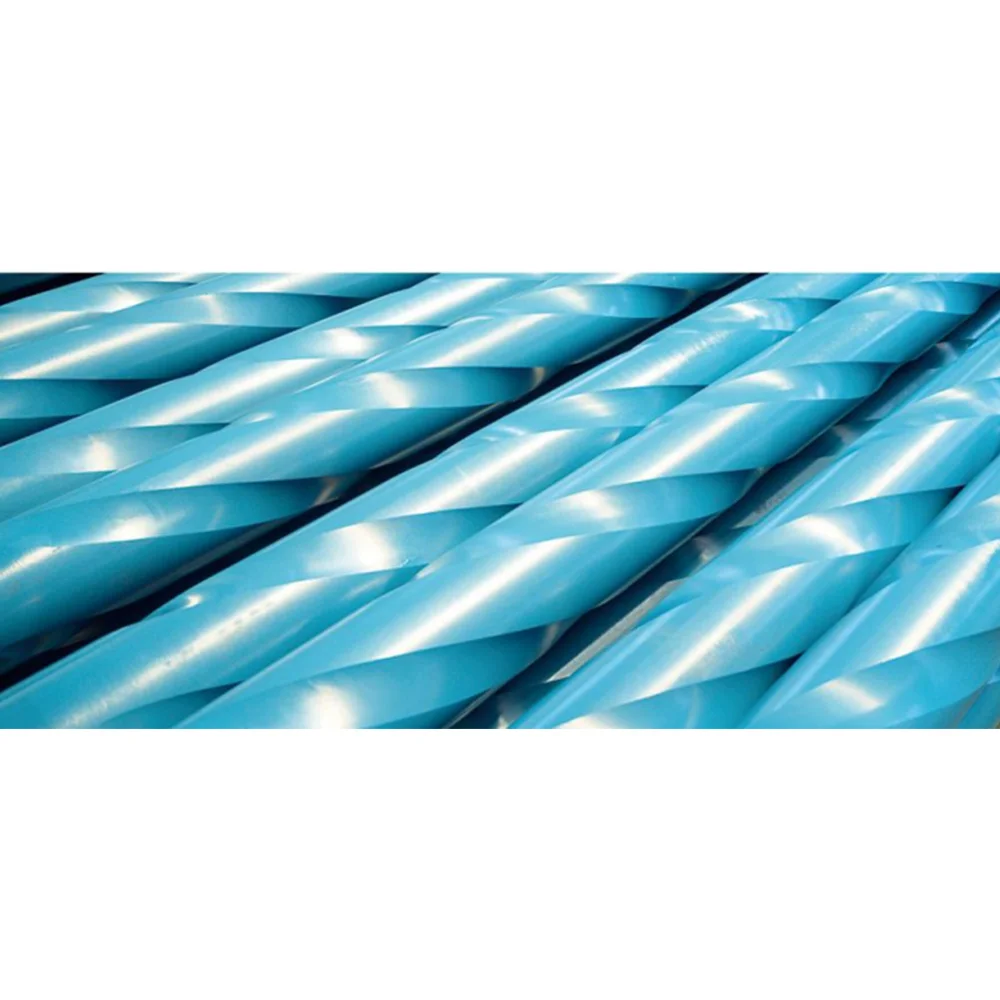
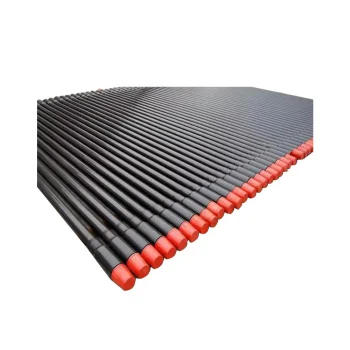
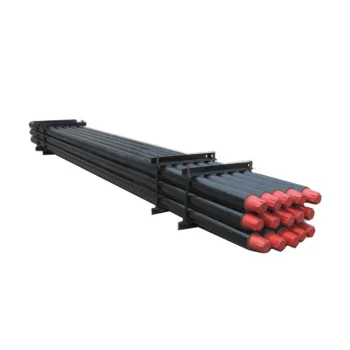
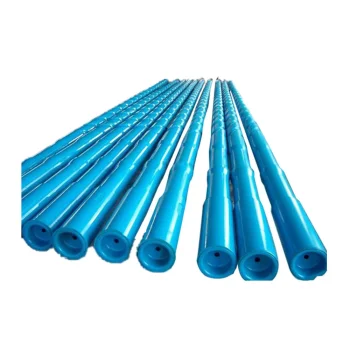
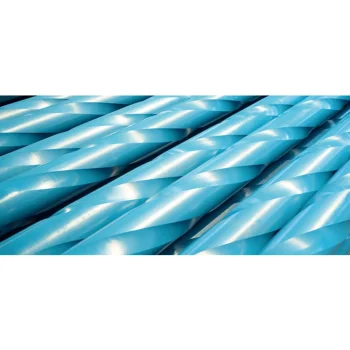
Sulfur-resistant drill pipes are specialized drilling tools designed to meet the demands of oil and gas exploration and development in sulfur-containing and high-sulfur regions, offering outstanding resistance to hydrogen sulfide stress corrosion. The SS75, SS95, and SS105 grades within this product series meet all performance requirements of international standards including ISO 11961/GB/T 29166, API Spec 5DP, DACC IRP 1.8, and DS-1. They are suitable for sulfuric environments and special drilling conditions such as underbalanced drilling.
This series covers all API standard sizes from 2-3/8“ to 6-5/8”. Additionally, to meet demands in challenging formations, higher-strength sulfur-resistant drill pipes in SS120, SS125, and S135MS grades have been developed.
nspection → End upsetting → Integral heat treatment → Pipe straightening → Pipe inspection (leakage, ultrasonic) → Physical and chemical testing → Finished pipe inspection → Cold straightening → Pipe end machining
Tool joint material incoming inspection → Sawing and forging (if necessary) → Joint upsetting → Joint marking → Joint heat treatment → Joint Brinell hardness testing → Physical and chemical testing → Ultrasonic inspection
Make-up/break-out test (if necessary) → Phosphating → Magnetic particle inspection → Joint marking → Cold rolling (if necessary) → Finished joint inspection → Joint thread machining → Joint profile machining
Final joint inspection
Drill pipe & joint end face preparation → Friction welding → Weld post-heating → Weld flash removal → Weld heat treatment (quenching, tempering) → Physical and chemical testing → Weld finishing → Magnetic particle inspection
Ultrasonic inspection → Finished product inspection → Hardbanding (if necessary) → Internal coating (if necessary) → Measuring, weighing and marking → Final inspection → Packaging → Delivery